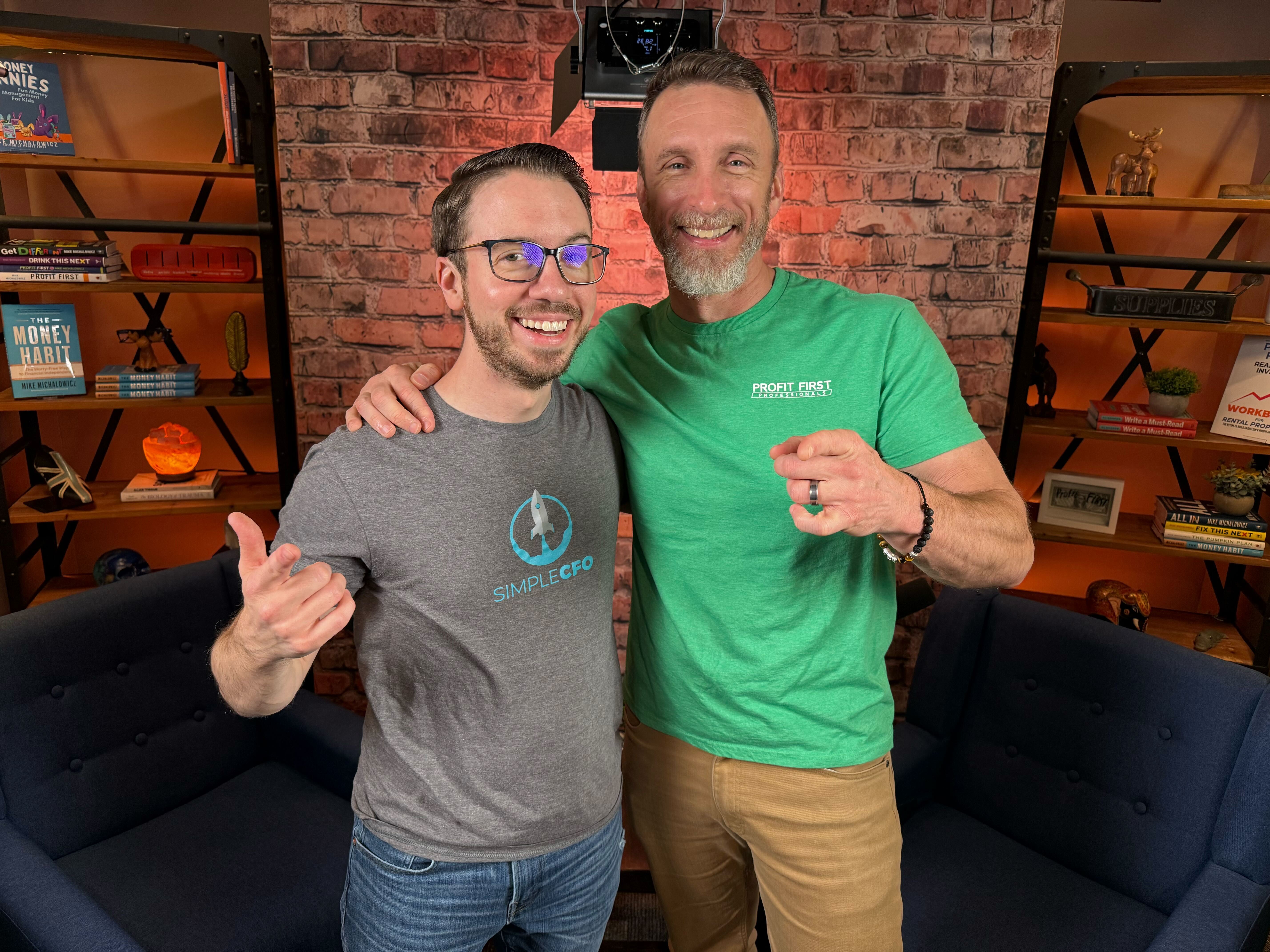
Stop Acting Like an Employee and Start Thinking Like a Shareholder
Stop Acting Like an Employee and Start Thinking Like a Shareholder
Most business owners start their business for one reason: freedom.
They want more time with family. They want more flexibility. They want more money. They want to make an impact. They don't want to answer to a boss anymore.
But here's the hard truth:
Many business owners end up creating a job for themselves instead of building a business.
They work longer hours than they ever did as employees. They stress about cash flow every month. They close deals, make sales, and stay busy—but somehow there's never enough money left over.
If that sounds familiar, you're not alone.
One of the most powerful mindset shifts you can make is this:
Stop thinking of yourself as an entrepreneur first. Start thinking of yourself as a shareholder.
The Identity Problem
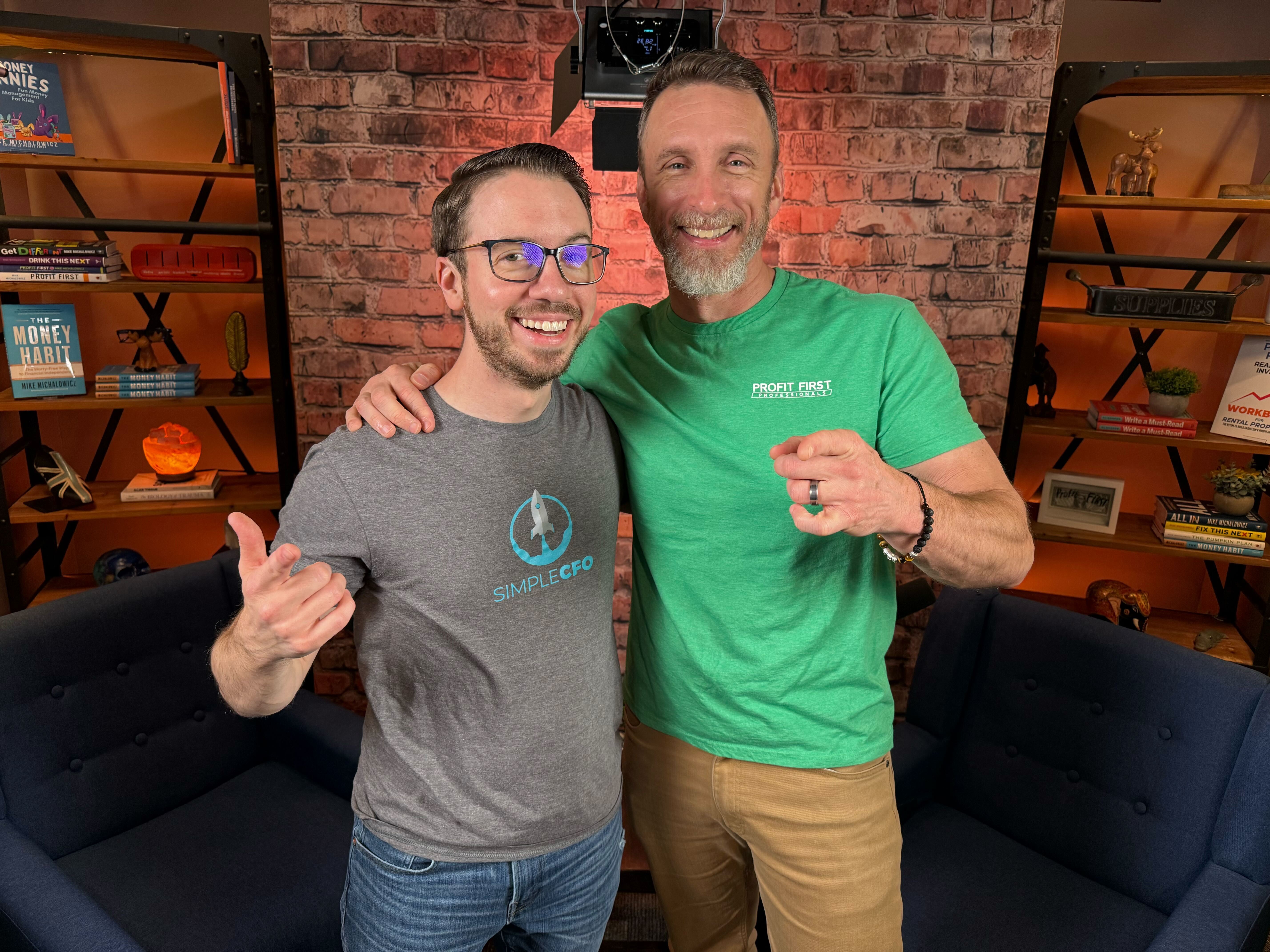
Mike Michalowicz, the author of Profit First, shared something that really stuck with me.
When someone asks what you do, most people say:
"I'm a business owner."
"I'm an entrepreneur."
"I'm a real estate investor."
But Mike suggests saying something different:
"I'm a shareholder in my business."
At first, that feels strange.
But think about it.
A shareholder invests in a company. They take on risk. They help guide the business. Most importantly, they expect to share in the profits.
They don't show up every day wondering if they're allowed to make money.
They expect it.
Yet many business owners act like everyone should get paid except them.
The vendors get paid.
The employees get paid.
The marketing company gets paid.
The software subscriptions get paid.
And whatever is left over—if anything—goes to the owner.
That's backwards.
Why Most Business Owners Stay Stuck
Many entrepreneurs are really good at one thing.
For a real estate investor, maybe it's finding deals.
For a contractor, maybe it's building houses.
For a coach, maybe it's helping clients.
The problem happens when we build our identity around the thing we do instead of the business we own.
For example, let's say you're a real estate investor.
You become known as the "deal finder."
Every problem in the business comes back to you.
Need a lead? You handle it.
Need a seller call? You take it.
Need a decision made? Everyone asks you.
Soon, the business can't function without you.
You don't own the business anymore.
The business owns you.
Wear Different Hats
Now let's be realistic.
If you have a small business, you still have to work in it.
You might be the salesperson, manager, and owner all at the same time.
But here's the key:
Know which role you're playing.
Mike shared a story about a business owner who wears a bright pink work vest whenever he's doing employee work.
Sounds silly, right?
But it works.
When the vest is on, he's acting as an employee.
When the vest comes off, he's back to being the shareholder.
The goal isn't to stop working overnight.
The goal is to separate the roles in your mind.
Because when you see yourself only as the worker, you'll always focus on doing more work.
When you see yourself as the shareholder, you'll focus on building a profitable business.
Profit Is Not a Dirty Word
Some people think businesses should focus only on customers.
Of course customers matter.
But here's the reality:
You can't serve customers well if your business is struggling financially.
A business without profit eventually runs out of options.
Profit isn't selfish.
Profit creates stability.
Profit allows you to hire great people.
Profit allows you to improve customer service.
Profit allows you to make an impact.
Most large companies understand this. Their responsibility is to create value for shareholders.
As the owner of your business, you are the shareholder.
Why shouldn't you benefit too?
Financial Freedom Starts with Financial Independence
When I ask business owners why they started a business, I usually hear three answers:
Financial freedom
Personal freedom
Making an impact
The problem is most people skip the first one.
They try to build freedom and impact without building a strong financial foundation.
That's like building a house without a foundation.
It doesn't work.
Mike introduced a concept that I love:
Financial independence comes before financial freedom.
Financial freedom can mean different things to different people.
For one person, it's taking a family vacation.
For another, it's flying on a private jet.
The target keeps moving.
Financial independence is different.
It means you're in control of your money.
You know where it's going.
You know what it's needs to do.
Money doesn't control you — you control it.
And that's something every business owner can achieve.
A Simple Example
Let's say your business brings in $20,000 this month.
Without a system, the money lands in one account.
You pay bills.
You pay contractors.
You pay software subscriptions.
You spend money on marketing.
At the end of the month, you're hoping something is left.
Usually there isn't.
Now let's look at it through the shareholder mindset.
The first thing you do is allocate money intentionally.
You set aside profit first.
You set aside owner pay.
You set aside taxes.
You give every dollar a job.
Now, when money comes in, you already know where it belongs.
That's what creates confidence.
That's what creates control.
And that's what creates financial independence.
The Ice Cream Lesson
One of my favorite stories from Mike is about buying an ice cream cone using money from his Profit account.
The account only had about ten dollars in it.
But he said it was the best ice cream he had ever tasted.
Why?
Because there was no guilt attached to it.
The money had a purpose.
It was meant to be enjoyed.
Compare that to buying something expensive with debt.
You might enjoy it for a few minutes.
Then the stress of paying for it takes over.
The real joy isn't in the thing you buy.
The real joy comes from knowing you can afford it.
Your Next Step
If you want more freedom from your business, start with a simple question:
Employees work for money.
Shareholders make decisions that create profit.
Employees focus on staying busy.
Shareholders focus on building value.
Employees hope money is left over.
Shareholders intentionally set profit aside.
You can still wear both hats.
But don't forget which one matters most.
Because the goal isn't just to own a business.
The goal is to build a business that supports your life, creates financial independence, and gives you the freedom you wanted in the first place.
And that starts by thinking like a shareholder.
Ready to Take the Next Step?
At Simple CFO, we believe your financial strategy should be built by people who understand your vision — not just a computer program. Our team has helped hundreds of business owners implement smarter systems, keep more profit, and finally achieve peace of mind with their money.
👉 Book your free Financial Clarity Call today to see how we do things differently and how a CFO partner can transform your business.
And as a bonus, when you start your journey with us, you’ll also get a copy of David Richter’s book, Profit First for Real Estate Investors (REIs — completely free! It’s the perfect first step toward taking control of your cash flow and building a truly profitable business.
Click the button below to schedule your call and claim your free book from Simple CFO:

Simple CFO Offers Bookkeeping for You
Want a Profit First bookkeeper who can work quickly with your needs and our CFOs? Click below and get a FREE bookkeeping estimate. We think you'll be pleasantly surprised...

Don't Miss These FREE Helpful Tools!
We're all about helping you make more profit. Click below to get any or all of our completely FREE tools to help you get paid first!

Check Out All of Our Blogs
We want you to have all the knowledge you could ever want and more so you can implement Profit First. Imagine knowing your company's financial state at a glance, always knowing you're going to be paid, and relieving financial stress. Read our blogs and add to your Profit First powers! Join our free email newsletter and get our blogs delivered straight to your Inbox twice a month without any extra junk you don't want – just helpful information to help you make more money and control your finances.


